

Stories
We invite philanthropic institutions to rethink how funding is redistributed by prioritizing BIPOC artists and culture-bearers who have been historically exploited.
Since 2020, our work has replaced competitive grantmaking with an approach that centers land, identity, trust, healing, and time. It recognizes the land and the peoples grounded in cultural power who make up the field of creative place-keeping.
The Waterers offer both a proof of concept and an opportunity for ongoing learning, with the giftee stories below reflecting the impact, relationships, and possibilities that emerged through this work.

Atim Opoka
This gift just didn't feel real; it felt like a scam because usually there are way more hoops to jump through to get funding. It takes experience and resources to showcase your work in a way people are willing to look at and value.
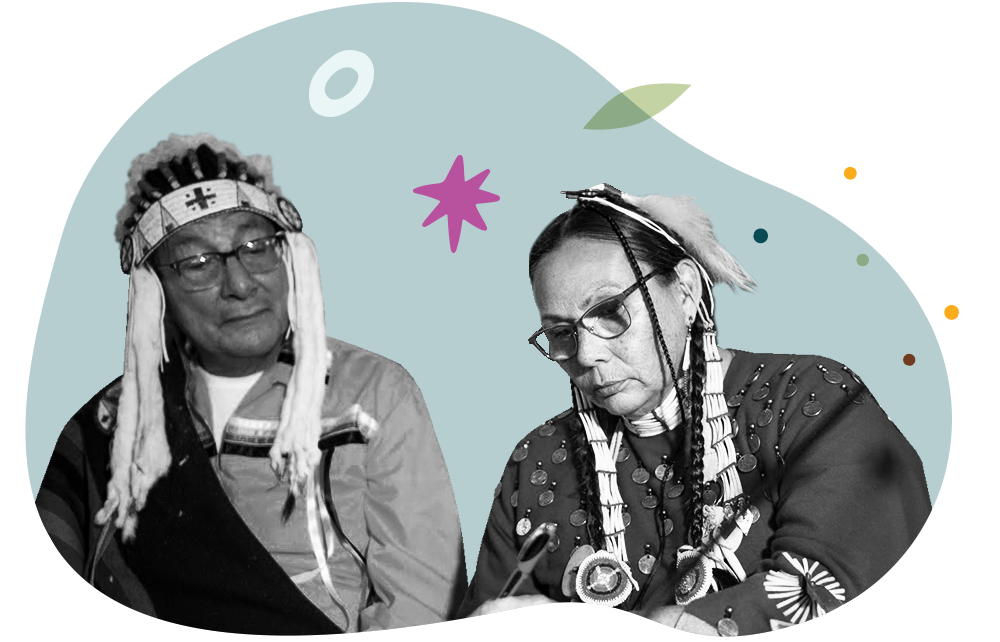
Lakota Youth Development
The risk of losing our language risks losing the deep meaning of our cultural ways, balance with the environment and our clear connections to the universe.

Gizhiigin Arts Incubator
On receiving the gift from the Waterers, Gizhiigin said, “It is a great honor to be recognized by others doing similar work.

Sunkawakan Ta Wounspe
The future of our ability to care for our horses was at risk due to climate change. The gift gave us the ability to care for them at a very crucial time for our family.

Dustina Gill,Sitomni Sa Yapi Win, Paints Red Around Her
Priding themselves on intentionality, Nis’to feels that’s what connects them to the values of the Waterers.

Ptayela Owayawa Wankatuya
Funds provided by the Waterers allowed them to focus on building the organization's infrastructure and relieved them of the pressure of fundraising.

Native Artists United
NAU and The Waterers both value healing, community, decolonial thinking, and trust-building.

Lightning Rod
Immediate Distribution funds were used to pay their staff and artists and allow them the ability to strategically plan and make decisions about their future.

Grace T. Andreoff Smith
Her stories of boarding school survival are almost unbelievable and must be documented. This gift will give Grace the opportunity to return home to Alaska and reconnect with her land and people.

Frederick Edwards Jr.
Being recognized gave him “the go ahead to keep going with the work he had been doing” with equity and inclusion at the forefront.

Quinn Villagomez
Quinn knows from experience that trans and trans-BIPOC individuals are not often given opportunities to do community work. “We have to work, show up, speak ten times harder.”

Sharon Mansur
Sharon lives and works in a rural area and appreciates how much she can see from right where she is. “It keeps me growing and I can pass it along, which keeps our community growing and learning, too.”


Dyana DeCoteau-Dyess
This kind of stuff never happens to us; I never thought I would be where I’m at right now. This is everything I always wanted.

Hamzat Koriko
My message for those trying to serve their community is to keep going. You know, it’s a long, long, long process. But one day, your dream will come true.

Lawrence Diggs
Lawrence approaches funding from a standpoint of inquiry: he asks, what are you trying to do? What is it that you want? What’s your goal? What’s your mission statement? Not just in this one piece, but in your whole life?

Kyle Mesteth
Kyle’s message to funders is, “If you can help somebody in a struggling community like a reservation, trust them. Trust that they’ll get the work done because they will.”